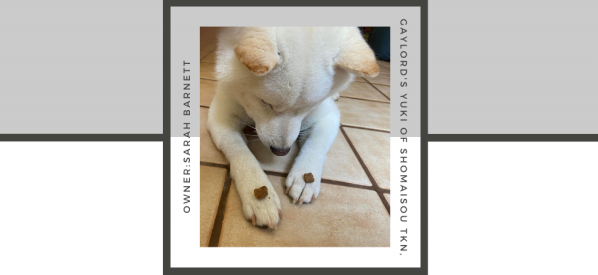
Impulse control is not about making a dog dull, suppressed, or afraid to make choices. It is about helping a dog learn that pausing, thinking, and checking in with a person can make good things happen.
For puppies, impulse control begins in tiny moments. Waiting briefly for a food bowl, offering eye contact before a door opens, settling after excitement, and learning that teeth on people make play stop are all early lessons in self-regulation.
Good impulse-control work should feel fair to the dog. The goal is not to constantly say no. The goal is to build habits where the puppy understands what works: sitting instead of jumping, following instead of pulling, relaxing instead of escalating.
Short, consistent repetitions are more effective than long drills. Puppies learn best when the lesson is simple, the reward is clear, and the human is calm enough to be predictable.
As puppies mature, those early habits become the foundation for reliable manners in real life: greeting visitors, walking through doorways, waiting in the car, ignoring distractions, and recovering from excitement.